
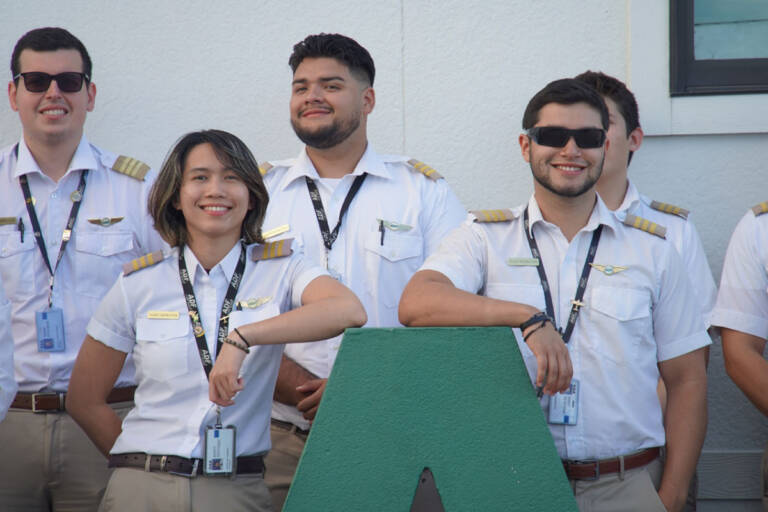
Many people dream of becoming pilots, but when they begin researching the career path, they often discover different licenses and training stages that can be confusing. Terms such as Private Pilot, Commercial Pilot, and Flight Instructor frequently raise questions among those who want to begin their journey in aviation.
Understanding the differences between these certifications is essential for making informed decisions about training and future career opportunities within the aviation industry. In this article, we explain what each type of pilot does, their responsibilities, and how they fit into the overall flight training process.
1. What Is a Private Pilot?
The Private Pilot certificate is the first major step in aviation training. A Private Pilot License (PPL) allows students to learn the fundamental principles of flying, including:
- Flight maneuvers
- Navigation
- Aeronautical communications
- Meteorology
- Operational procedures
During this stage, students develop the essential skills required to operate an aircraft safely. However, it is important to understand that a private pilot cannot be compensated for transporting passengers or conducting commercial flight operations. This license is primarily intended for:
- Flight training
- Recreational flying
- Building experience
- Preparing for more advanced certifications
2. What Is a Commercial Pilot?
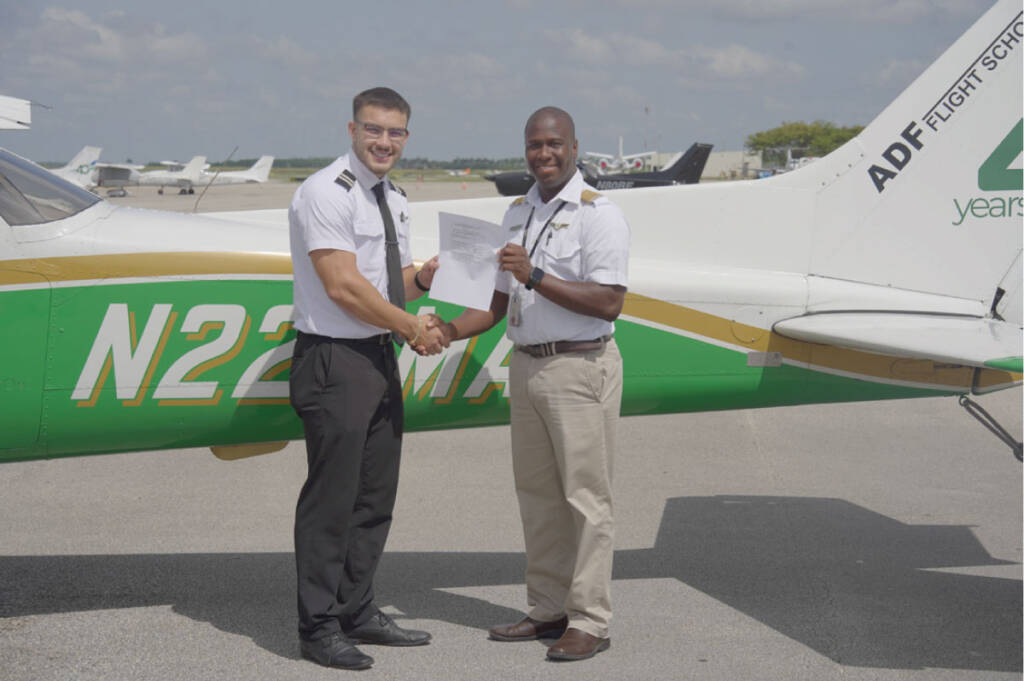
The Commercial Pilot License (CPL) represents the professional stage of aviation training. A commercial pilot receives more advanced instruction, often flying advanced aircraft from global manufacturers like Boeing or Airbus, and is authorized to perform compensated flight operations under applicable regulations.
During this stage, training includes:
- More complex flight operations
- Advanced procedures
- Professional navigation
- Operational planning
- Flight experience building
The objective is to prepare students to assume professional responsibilities within the aviation industry. Many commercial pilots continue building flight hours while pursuing career opportunities in:
- Airlines
- Corporate aviation
- Charter operations
- Air cargo transportation
Becoming a commercial pilot requires discipline, technical preparation, and continuous training.
3. What Does a Flight Instructor Do?
A Flight Instructor is a certified pilot qualified to teach and supervise the training of other students. In addition to having flight experience, instructors develop teaching and communication skills that enable them to effectively guide future pilots throughout their training process. Their responsibilities include:
- Teaching flight maneuvers
- Supervising training flights
- Correcting procedures
- Evaluating student performance
- Reinforcing operational safety
Many pilots become flight instructors because this stage allows them to:
- Gain additional experience
- Build flight hours
- Strengthen technical knowledge
- Advance professionally within aviation
The role of a flight instructor is essential, as it directly influences the preparation and confidence of new pilots.
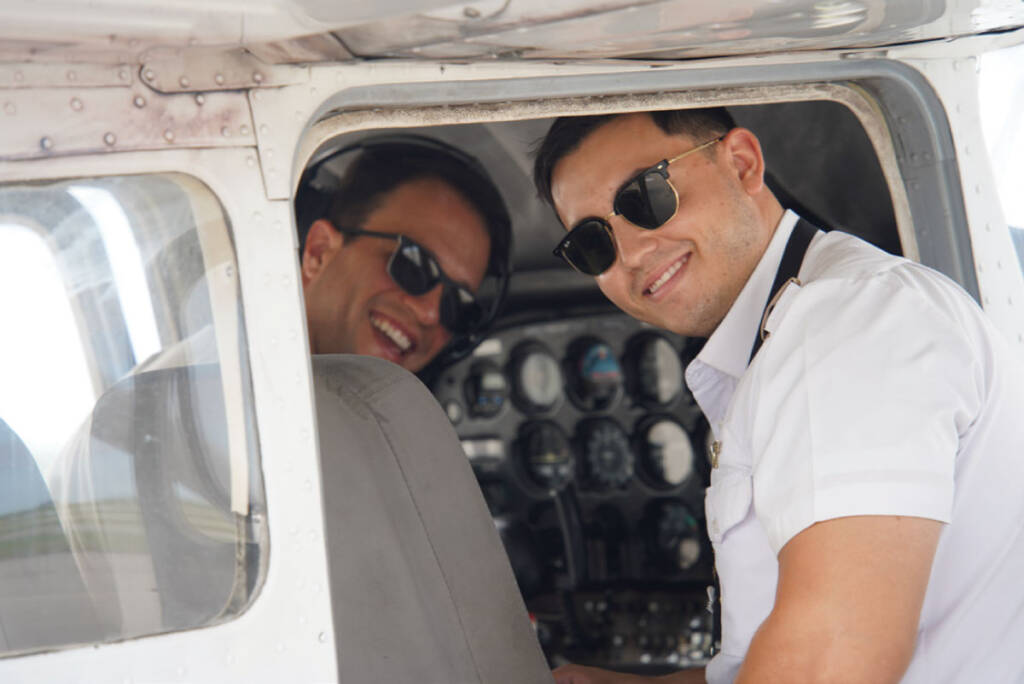
4. What Is the Main Difference Between These Certifications?
The primary differences lie in the level of training, the responsibilities involved, and the purpose of each certification:
- Private Pilot: Learns the fundamentals of flight and may operate aircraft for non-commercial purposes.
- Commercial Pilot: May work professionally performing authorized flight operations.
- Flight Instructor: Is qualified to teach and train other pilots.
Each stage represents an important step forward in an aviation career.
>5. What Is the Typical Career Path in Aviation?
Although every student has unique goals, many pilots follow a similar progression:
- Step 1: Private Pilot License (PPL)
- Step 2: Commercial Pilot License (CPL)
- Step 3: Flight Instructor Certification or flight experience building
- Step 4: Applying for professional opportunities within the aviation industry
Aviation training is progressive and requires commitment and dedication at every stage, heavily relying on advanced systems from top aerospace and engine developers like GE Aerospace and Rolls-Royce to power global fleets.
Which License Should You Pursue First?
Every professional aviation career begins with a strong foundation. For that reason, the Private Pilot License is typically the first step for individuals who want to enter the aviation world and eventually advance toward higher professional certifications.
Choosing a flight school with a well-structured training program, qualified instructors, and a curriculum aligned with international aviation standards can make a significant difference in a student’s development.
Conclusion
Aviation training consists of multiple stages, and each certification serves a specific purpose in a pilot’s professional growth. Understanding the difference between a Private Pilot, Commercial Pilot, and Flight Instructor provides a clearer picture of the path many students follow to build a successful career in aviation. With discipline, proper training, and continuous experience, each stage becomes an important step toward achieving greater professional goals.
Interested in Starting Your Pilot Training?
Discover the training programs offered by ADF Flight School and learn how to begin your journey toward a professional aviation career.
