
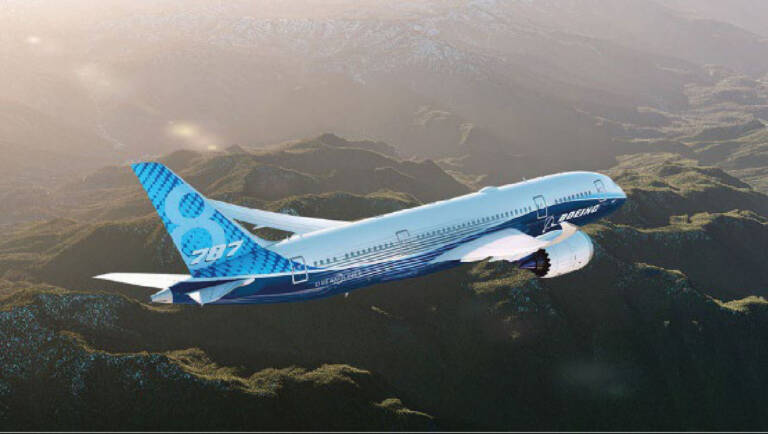
Modern aviation has reached remarkable technological heights through the development of aircraft that are more efficient, quieter, and more sustainable than ever before. Manufacturers such as Airbus and Boeing continue to lead this evolution with advanced models operated by some of the world’s largest airlines.
Each new generation of aircraft incorporates innovations designed to enhance safety, improve fuel efficiency, and provide a superior experience for both passengers and crew members. These aircraft represent the future of air transportation and demonstrate how technology continues to transform the aviation industry.
Airbus A350-1000
The Airbus A350-1000 is one of the most advanced commercial aircraft in the world.
Designed for ultra-long-haul operations, it is built using more than 50% composite materials, significantly reducing weight while improving overall efficiency.
The aircraft can accommodate between 350 and 410 passengers and has an approximate range of 16,700 kilometers (10,380 miles), making it an ideal choice for long-distance international routes.
It also incorporates state-of-the-art systems that optimize performance, reduce fuel consumption, and enhance passenger comfort through a quieter cabin and improved air quality.
Today, the A350-1000 is operated by major airlines such as Qatar Airways, British Airways, and Cathay Pacific.
Boeing 787 Dreamliner
The Boeing 787 Dreamliner revolutionized the aviation industry through its exceptional efficiency and advanced technology.
Its structure is largely made from composite materials, reducing aircraft weight and significantly lowering fuel consumption and operating costs.
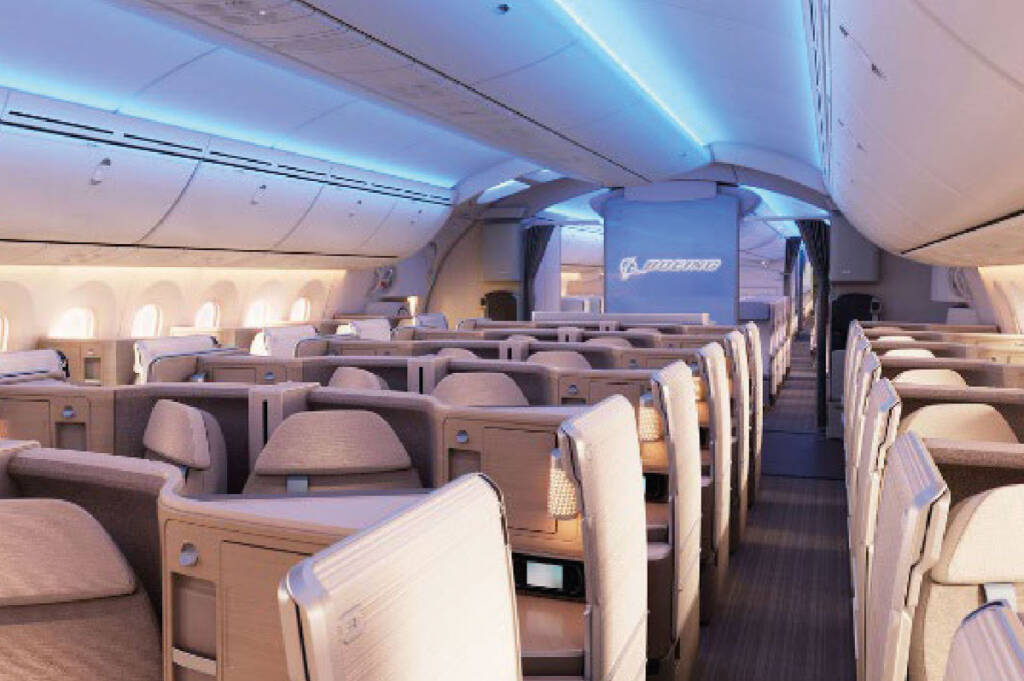
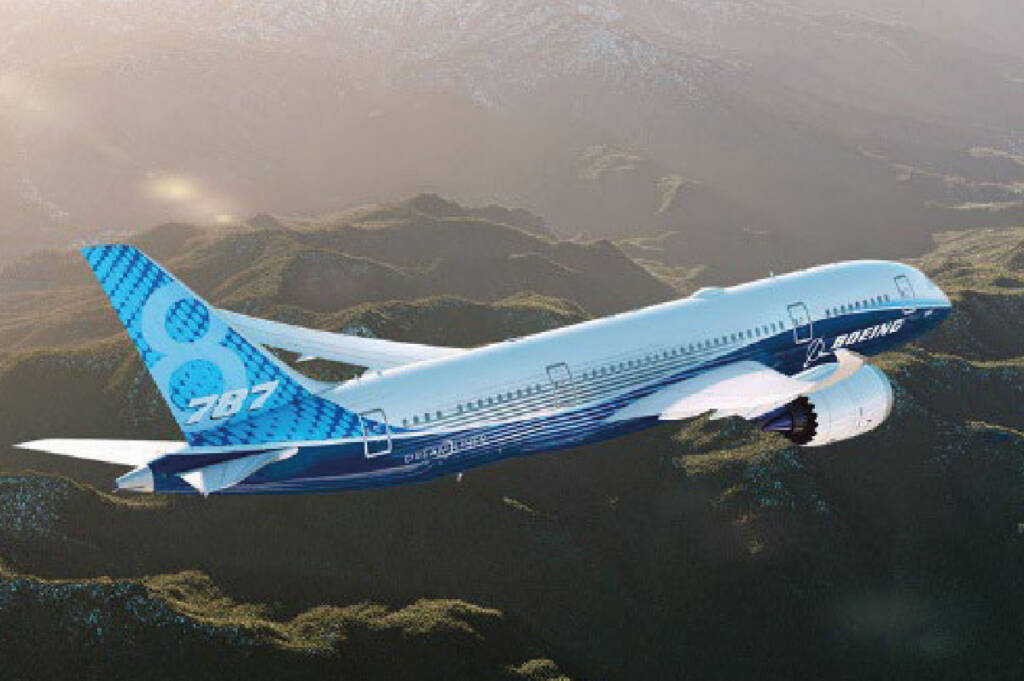
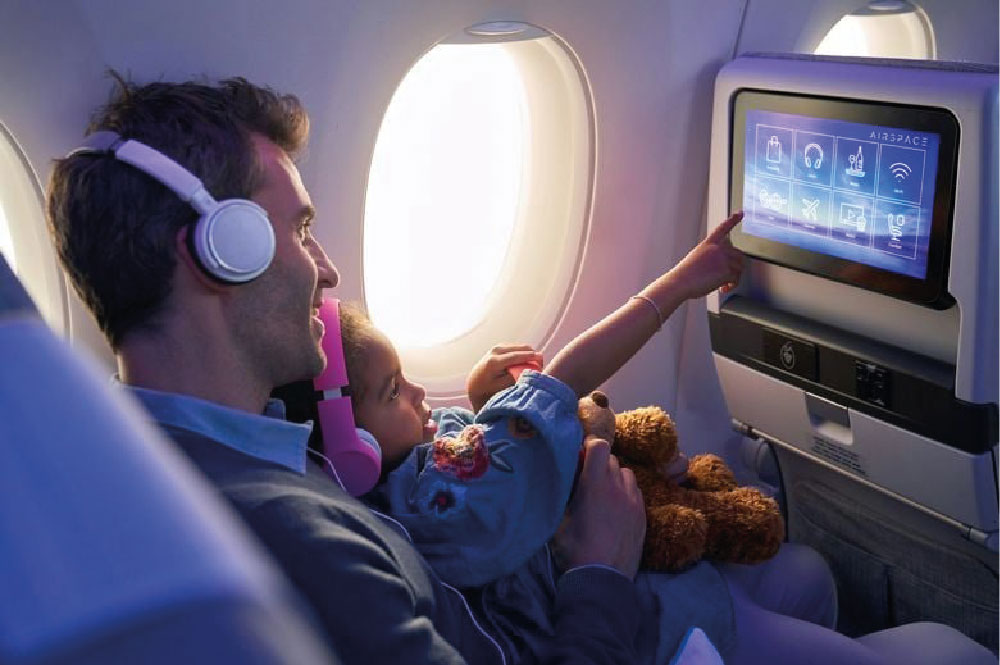
Among its most innovative features are electrochromic windows, which allow passengers to adjust light levels without traditional window shades, and intelligent onboard systems that improve the overall flight experience.
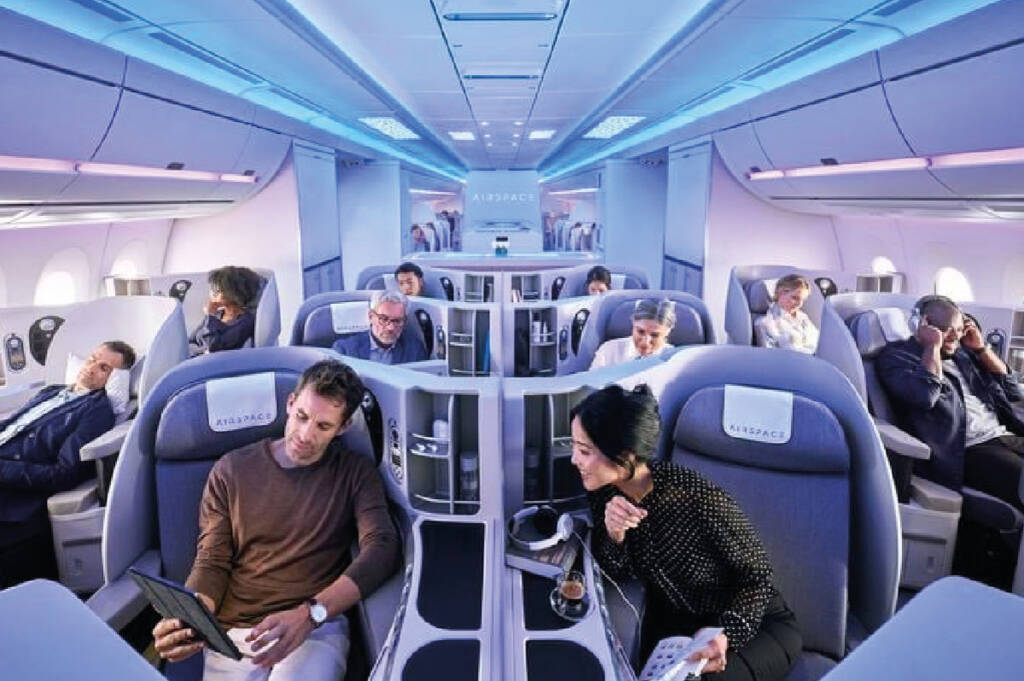
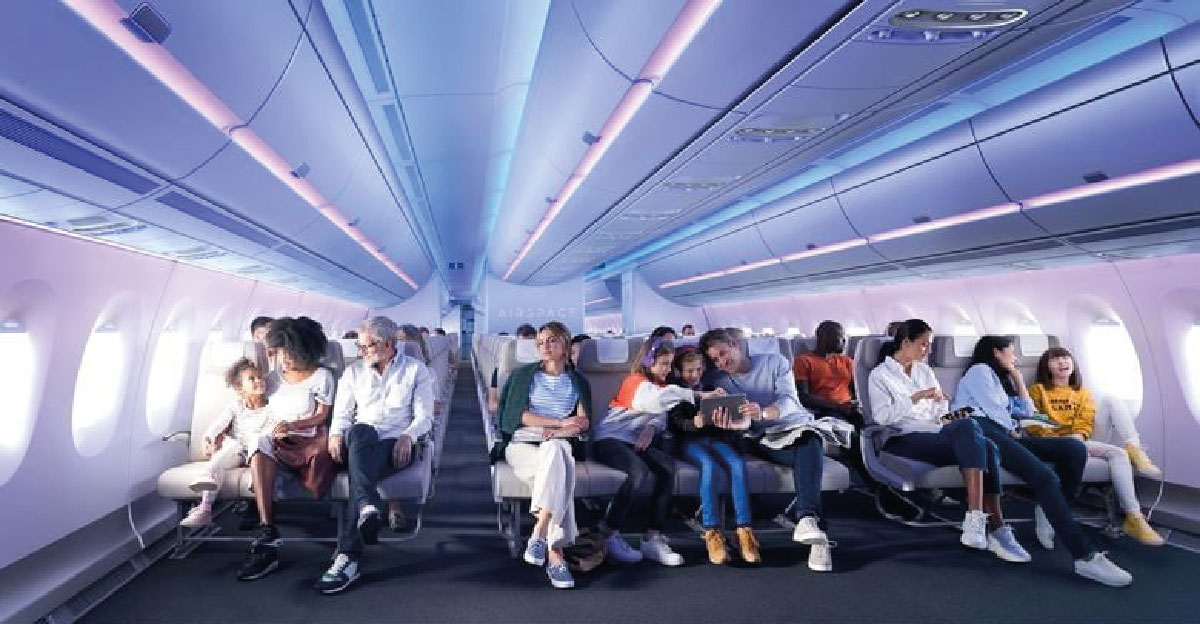
The cabin is designed to maximize comfort through better pressurization and higher humidity levels than previous aircraft generations.
Thanks to these advancements, the Dreamliner has become one of the most popular aircraft for long-haul operations and is flown by airlines such as United Airlines, ANA, and Qatar Airways.
Airbus A321XLR
The Airbus A321XLR is one of the most innovative aircraft introduced in recent years.
This aircraft was designed to perform long-range flights using a single-aisle configuration, offering airlines a highly efficient solution for expanding international routes.
With an approximate range of 8,700 kilometers (5,400 miles), the A321XLR can connect cities that previously required wide-body aircraft.
Some of its key advantages include:
- Lower fuel consumption per passenger.
- Reduced operating costs.
- Greater flexibility for international route development.
- The latest-generation Airspace cabin.
- Because of these capabilities, numerous airlines have incorporated the A321XLR into
their future fleet expansion plans.
What Makes an Aircraft Modern?
When discussing the most advanced aircraft in the world, modernity is not simply determined by the year an aircraft was built.
A truly modern aircraft incorporates technologies that improve safety, operational efficiency, and passenger experience.
Some of the most important characteristics include:
- Lightweight and highly durable composite materials.
- Advanced avionics and navigation systems.
- Lower fuel consumption and reduced emissions, powered by next-generation engines from leading manufacturers like GE Aerospace.
- Quieter and more comfortable cabins.
- Predictive maintenance and aircraft monitoring systems.
- Increased automation of flight operations.
These innovations allow airlines to operate more efficiently while delivering a better travel experience for passengers and crews alike.
Sustainability Is Transforming Aviation
One of the aviation industry’s primary goals today is reducing its environmental impact. Aircraft manufacturers have developed new-generation airplanes capable of consuming up to 25% less fuel compared to previous models. This not only lowers operational costs but also helps reduce carbon emissions.
In addition, the industry continues to invest heavily in technologies such as:
- Sustainable Aviation Fuel (SAF).
- Hybrid and electric propulsion systems, fields where companies like Rolls-Royce are heavily investing.
- Recyclable and more efficient materials.
- Artificial intelligence for route optimization.
The future of aviation will be shaped by aircraft that are increasingly efficient, intelligent, and environmentally responsible.
The Role of Pilots in the Age of Advanced Technology
Although modern aircraft incorporate highly sophisticated automation systems, the human factor remains essential. Pilots undergo continuous training to understand and manage increasingly advanced technologies. Their ability to make critical decisions, manage complex situations, and ensure operational safety remains one of the most important pillars of modern aviation.
For this reason, pilot training must evolve alongside aircraft technology. Flight schools play a crucial role in preparing aviation professionals capable of operating the advanced systems found in today’s newest commercial aircraft.
Technology Requires Highly Skilled Professionals
The world’s most advanced aircraft, including the Airbus A350-1000, Boeing 787 Dreamliner, and Airbus A321XLR, represent the result of decades of technological innovation. However, none of these aircraft could accomplish their mission without the skilled professionals who operate and support them every day.
Pilots, flight dispatchers, maintenance technicians, flight attendants, and aviation operations specialists are all essential to ensuring the safety and efficiency of every flight. Technology may transform the way aircraft operate, but it is the expertise and professionalism of aviation personnel that make successful operations possible.
Training the Aviation Professionals of Tomorrow
At ADF Flight School, we believe that technological advancement and professional training go hand in hand. That is why we prepare our students to meet the challenges of an aviation industry that is becoming increasingly modern, global, and competitive.
Our programs are designed to provide the technical, operational, and professional skills required by today’s aviation sector, helping future pilots build a solid foundation aligned with international aviation standards.
If you dream of becoming part of the future of aviation, now is the perfect time to begin your training and become one of the professionals who will help operate the world’s most advanced aircraft. Today, we admire these impressive airplanes from the ground—but can you imagine being part of the team that operates them? The right training is the first step toward turning your passion for aviation into a successful professional career.
Training the professionals of the future
At ADF Aviation School, we believe that technology and professional training go hand in hand.
That’s why we prepare our students to face the challenges of an increasingly modern, globalized, and demanding aviation industry.
Today we admire these impressive aircraft from the ground, but can you imagine being part of the team that operates them? The right training is the first step to turning that passion for aviation into a professional career.
